
Cell Phones
iPhone 14 Price Rumors Point to Apple's Biggest Flagship Price Jump Yet
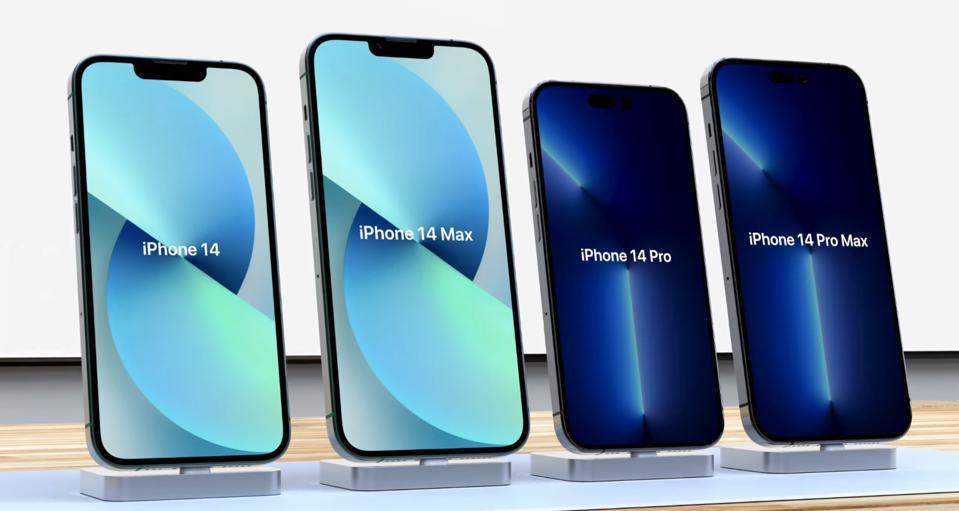
Apple’s upcoming iPhone 14 lineup is generating significant attention, and one of the biggest talking points isn’t the hardware—it’s the expected price. Industry analysts believe Apple could increase prices across several iPhone 14 models as rising production and supply chain costs continue to affect the global technology market.
Higher Prices Could Be Coming
According to recent market reports and analyst predictions, Apple may introduce the iPhone 14 series with higher starting prices than the previous generation. Increased manufacturing expenses, component shortages, and inflation are all believed to be contributing factors behind the potential adjustment.
Although Apple has not officially confirmed pricing, several industry insiders suggest buyers should prepare to pay more for the company’s next flagship devices.
iPhone 14 listings right now
See all 8 →The 4 lowest iPhone 14 asking prices on FlexEmarket right now. Photos are from each listing.
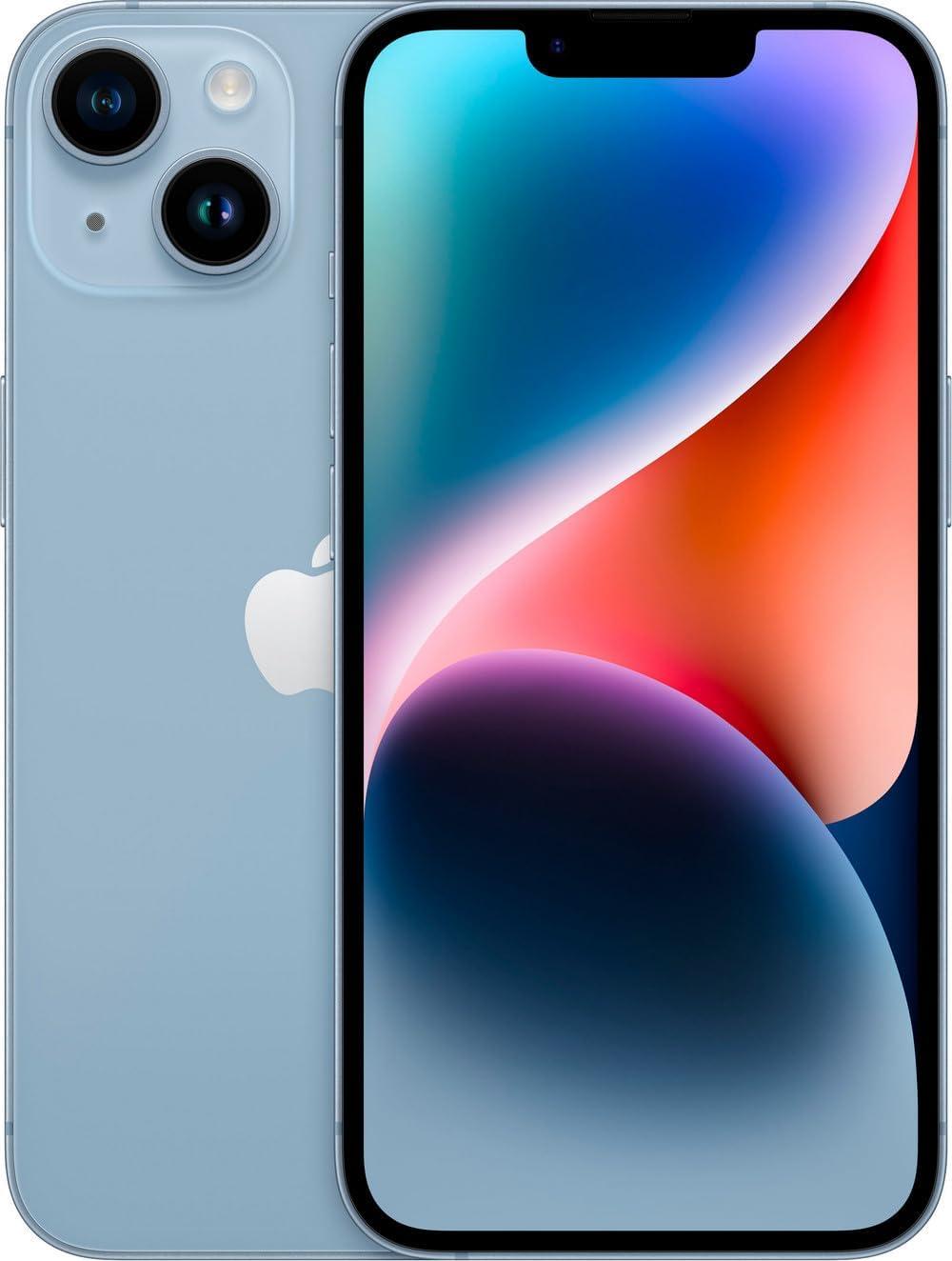 Used · Good$239.99128GB, AT&T locked: Apple iPhone 14 · AT&T Locked · Used, Good · 128GB
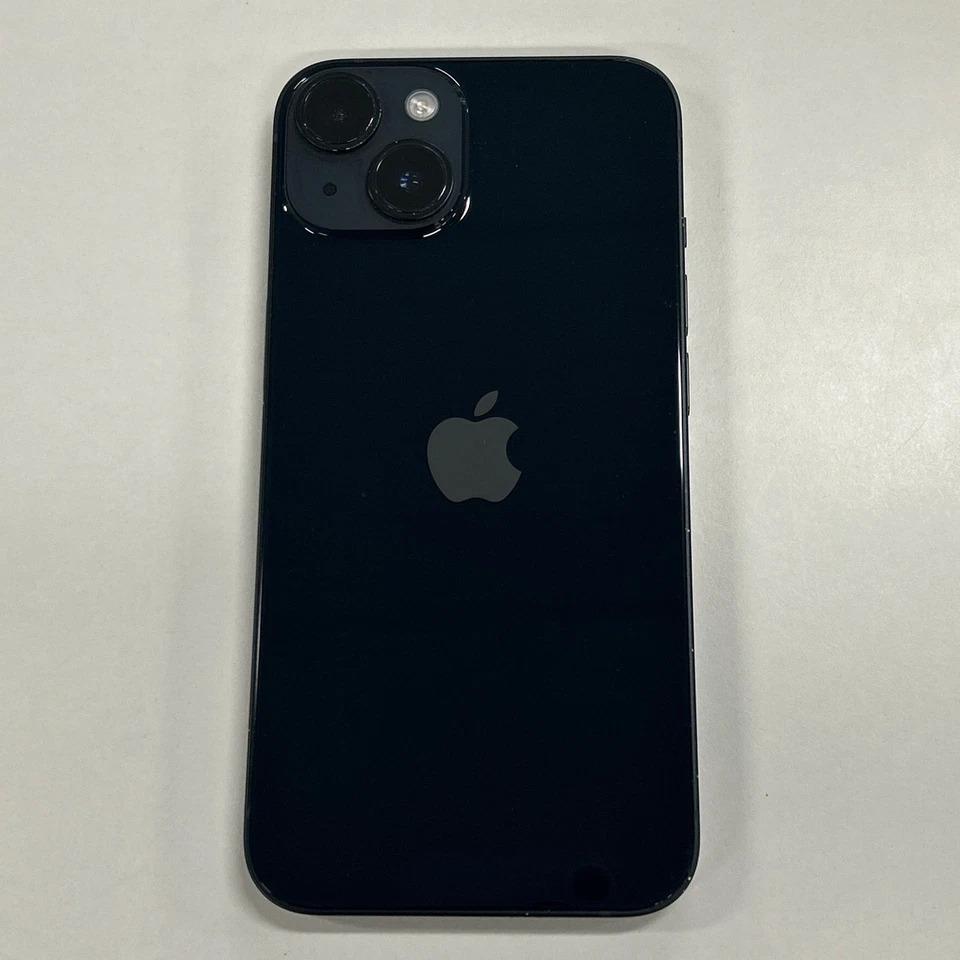 Used · Good$249.99128GB to 512GB, Unlocked: Apple iPhone 14 · Unlocked · Used, Good · 128GB–512GB
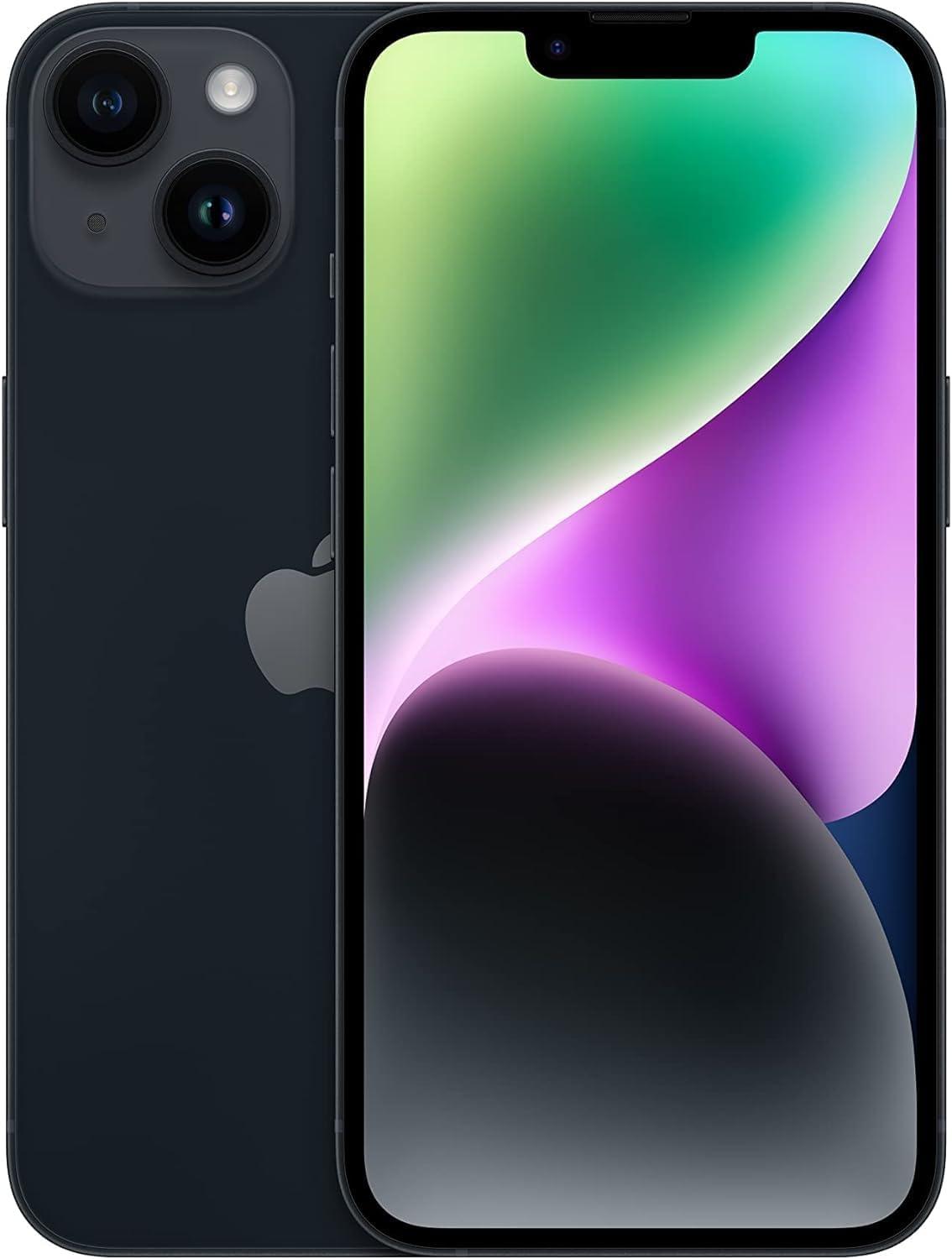 Used · Excellent$265.99128GB to 256GB, Unlocked: Apple iPhone 14 · Unlocked · Used, Excellent · 128GB–256GB
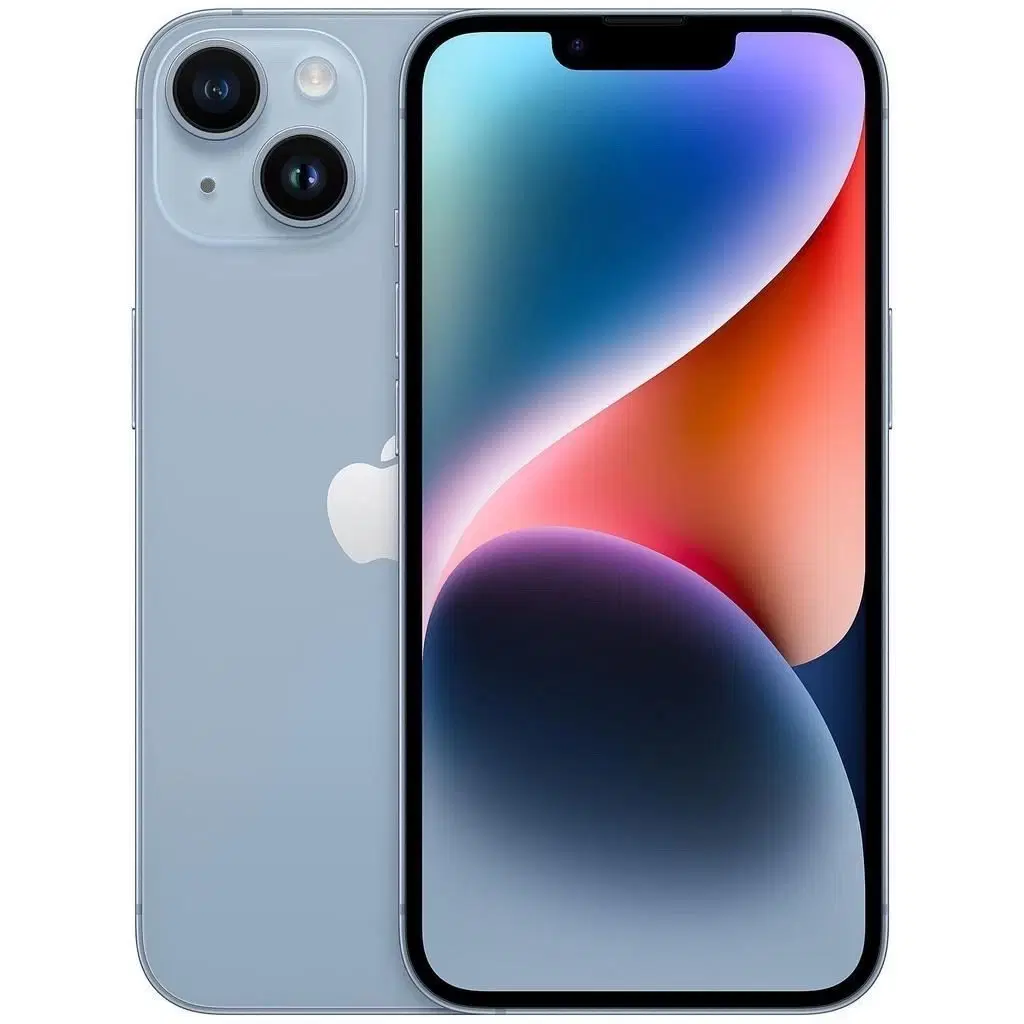 Used$279.20128GB, Unlocked: iPhone 14 128GB Unlocked – Modern Upgrade Deal | Special for Bethesda Customers
Expected iPhone 14 Pricing
If current rumors prove accurate, the expected US pricing may look like this:
|
Model |
Expected Price |
|
iPhone 14 |
Starting around $899 |
|
iPhone 14 Plus / Max |
Starting around $999 |
|
iPhone 14 Pro |
Starting around $1,099 |
|
iPhone 14 Pro Max |
Starting around $1,199 |
Prices are based on leaks and analyst estimates and remain unofficial.
Why Prices May Increase
Several factors could influence Apple’s pricing strategy:
- · Higher component and semiconductor costs
- · Global supply chain disruptions
- · Increased transportation and manufacturing expenses
- · Rising inflation across major markets
- · Premium hardware upgrades for Pro models
These industry-wide challenges have already affected many smartphone manufacturers, making a price adjustment less surprising.
Standard Models May See Fewer Hardware Changes
Rumors suggest the standard iPhone 14 models may retain many features from the previous generation while focusing on software improvements, battery optimization, and camera refinements.
Meanwhile, the Pro models are expected to receive the most significant upgrades, including a faster processor, enhanced cameras, and a redesigned front display.
Larger Display Becomes the New Standard
Reports indicate Apple could discontinue the smaller Mini model in favor of a larger Plus (or Max) version. This change would offer users a bigger display without requiring them to purchase a Pro device.
The expected lineup would include:
- · iPhone 14
- · iPhone 14 Plus (or Max)
- · iPhone 14 Pro
- · iPhone 14 Pro Max
Premium Features Reserved for Pro Models
The Pro versions are rumored to introduce several exclusive features, including:
- · Updated camera system
- · Improved display technology
- · Faster performance
- · Enhanced photography capabilities
- · Premium build materials
This approach would further separate the Pro lineup from the standard models.
What It Means for Buyers
For customers planning to upgrade, the higher price may be easier to justify if the new devices deliver meaningful improvements in performance, cameras, battery life, and long-term software support.
Those looking for better value may also consider previous-generation iPhones, which often receive price reductions after a new launch.
Final Thoughts
While Apple has yet to officially announce the iPhone 14 lineup, current rumors suggest the company could introduce one of its most expensive flagship generations to date. Whether those higher prices are accepted by consumers will likely depend on the final feature set and overall value offered by each model.
Until Apple unveils the devices, all pricing and specifications should be treated as unofficial and subject to change.